August 3, 2026
Navigating modern roadways requires constant vigilance, composure, and a proactive mindset. Every time a driver steps into a vehicle, they assume a profound responsibility for their own personal safety, the well-being of their passengers, and the protection of everyone else sharing the thoroughfare. While modern automotive engineering has made tremendous strides in structural integrity, restraint systems, and active driver-assist technologies, human decisions behind the wheel remain the primary determining factor in overall road safety. Understanding how to recognize potential hazards and mitigate risks long before critical situations develop is the most effective approach to remaining safe on the open road.
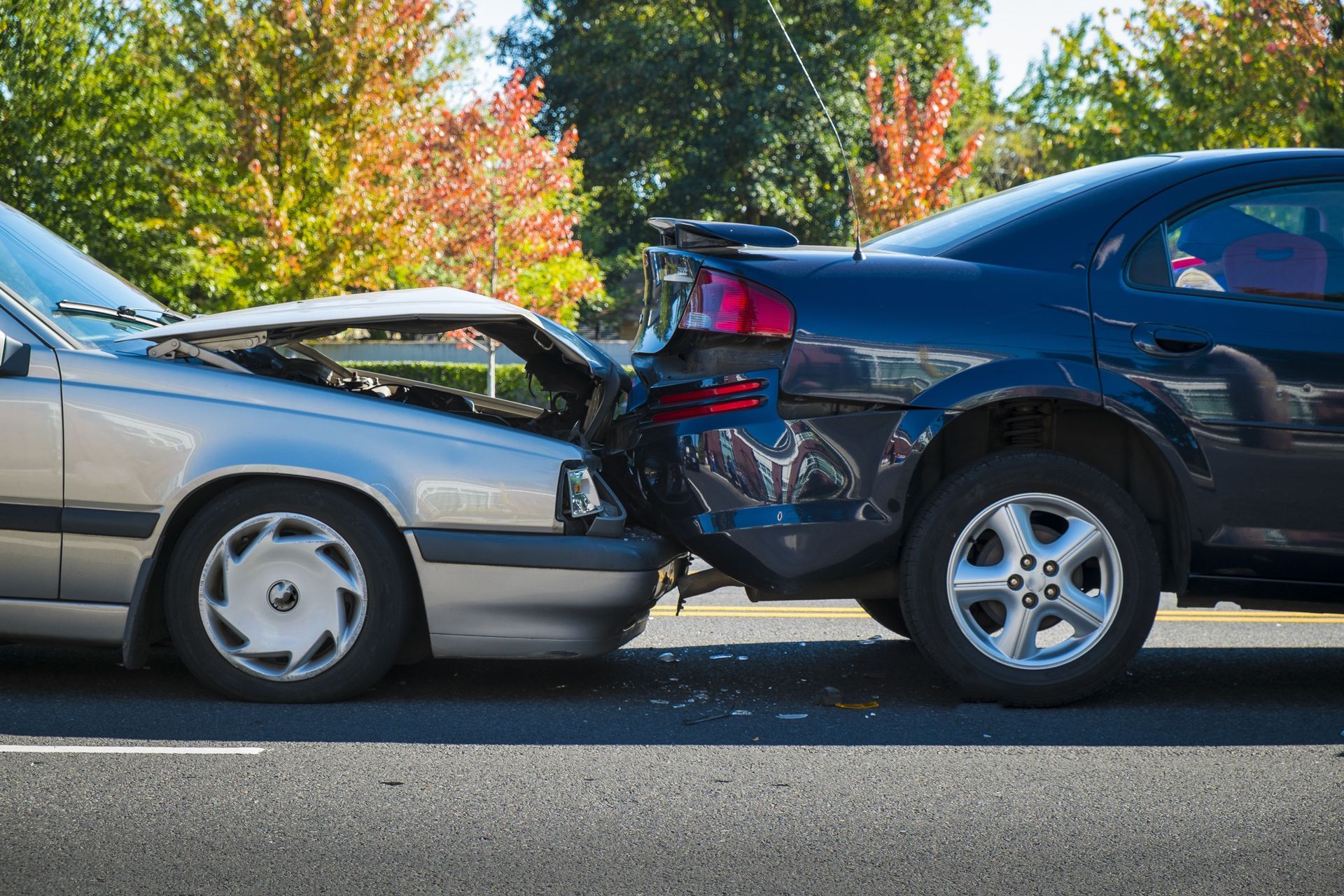
Vehicle travel inherently carries potential hazards, yet the overwhelming majority of dangerous roadway incidents are entirely preventable. By cultivating disciplined driving habits, maintaining thorough vehicle upkeep, and remaining continuously alert to surrounding traffic conditions, motorists can dramatically reduce the probability of an unexpected impact. Preventing a sudden car collision relies not on extraordinary luck, but on consistent adherence to proven defensive techniques, calm decision-making, and sensible habits that protect both life and property.
Maintain Safe Following Distances
One of the most reliable strategies for preventing a rear-end collision involves leaving adequate physical space between your front bumper and the vehicle moving directly ahead. Maintaining a generous cushion of space provides the necessary room to observe sudden changes in traffic flow, process emerging hazards, and execute controlled stopping maneuvers without panicking. When tailgating occurs, stopping margins disappear almost entirely, leaving drivers with virtually no reaction time if the lead vehicle decelerates rapidly due to an unexpected obstacle or abrupt traffic slowdown.
Expanding this spatial buffer becomes even more crucial during adverse conditions or high-speed travel. Heavy traffic congestion, highway cruising, and nighttime driving all demand extra separation to accommodate delayed visual recognition or altered stopping dynamics. A helpful principle is to select a stationary roadside marker, such as an overhead sign or light pole, and observe how much time elapses after the lead vehicle passes it before your vehicle reaches that same spot. Ensuring several generous moments of separation guarantees that unexpected braking ahead does not transform into a sudden multi-car emergency.
Eliminate Common Cabin Distractions
Distracted driving has quickly escalated into one of the most significant threats on public roads today. Modern vehicles are filled with potential visual and cognitive interruptions, ranging from complex touchscreen display panels and navigation prompts to handheld mobile devices. Taking eyes off the road for even a brief moment creates a massive blind period during which a vehicle travels completely unguided across significant distance, dramatically heightening the danger of a severe collision.
Eliminating internal distractions requires clear personal discipline before placing the transmission into gear. Mobile devices should be secured in silent mode or connected through hands-free interfaces that require minimal visual interaction while moving. Adjusting cabin climate controls, selecting audio preferences, and programming navigation destinations ought to be accomplished prior to departing your parking location. Furthermore, engaging in emotionally intense conversations with passengers, reaching for loose objects stored in the rear seats, or consuming food while navigating complex traffic can split cognitive focus, robbing the driver of vital reaction time when road hazards suddenly emerge.
Inspect Critical Braking Components
A motorist can possess exceptional reaction speed and spatial awareness, but those skills mean very little if the vehicle itself fails to respond when rapid deceleration is required. Braking systems are the most important active safety feature on any vehicle, yet routine inspection and maintenance for these mechanical components are frequently neglected until noticeable symptoms appear. Worn friction pads, degraded hydraulic fluid, and compromised brake rotors severely diminish stopping power and increase required braking distances.
According to IbisWorld, the U.S. automotive repair and maintenance industry generates more than $100 billion in annual revenue. A substantial portion of those mechanical expenses stems from preventable wear and tear that accumulated silently over extended periods. Scheduling regular mechanical inspections ensures that pads, lines, calipers, and hydraulic fluid levels are functioning at optimal efficiency. Beyond the braking system itself, monitoring tire tread depth and inflation pressure is equally vital, as tires represent the sole contact patch between the automobile and the pavement. Adequate tread structure guarantees effective channel evacuation of surface water, allowing brakes to firmly grip the road surface when stopping power is desperately needed to avoid a forward collision.
Adjust Driving for Severe Weather
Atmospheric conditions can transform familiar roadways into treacherous surfaces within mere moments. Rain, snow, sleet, fog, and ice severely alter tire traction and directional visibility, demanding immediate adjustments to standard driving behavior. Failing to modify speed and handling techniques during inclement weather often leads to loss of control, hydroplaning, and unpredictable vehicle sliding that can easily lead to a dangerous vehicle collision.
When rain begins to fall, accumulated oil residues on the pavement rise to the surface, creating an exceptionally slick top layer before being fully washed away by heavy precipitation. Reducing overall velocity and avoiding abrupt steering inputs or harsh pedal applications helps preserve mechanical grip. In foggy conditions, low-beam headlights or specialized fog lamps should be activated to illuminate the immediate roadway without creating blinding reflective glare. Decreasing speed, increasing spatial gaps, and maintaining absolute focus allow drivers to anticipate low-traction situations well before emergency maneuvers become necessary.
Master Defensive Situational Awareness
Defensive driving is the continuous practice of actively anticipating potential hazards rather than merely reacting to events after they occur. A skilled defensive driver continuously scans the driving environment, surveying several vehicles ahead, monitoring side mirrors, and checking blind spots before altering lane positions. Anticipating the unpredictable choices of surrounding motorists allows a driver to formulate clear exit routes and escape plans long before an emergency scenario fully unfolds.
Developing defensive situational awareness involves recognizing subtle cues in surrounding traffic behavior. A vehicle drifting subtly within its lane may indicate an impaired or distracted driver, while a car accelerating erratically could signal an aggressive motorist preparing for a risky lane switch. By identifying these warning signs early, you can create additional distance, yield the right of way, and avoid aggressive interactions altogether. Operating defensively ensures that you remain in complete control of your own vehicle while mitigating the risks posed by unpredictable road users, thereby reducing the likelihood of a lateral collision on crowded multi-lane highways.
Respect Posted Speed Restrictions
Speed limits are established based on thorough engineering assessments of roadway geometry, visibility ranges, pedestrian density, and historical traffic patterns. Exceeding these established speed guidelines significantly reduces the total time available to react to sudden obstacles and dramatically increases the force transferred during an impact. Higher velocities also exponentially extend the distance required to bring a motor vehicle to a complete stop, turning manageable roadway situations into unavoidable hazards.
Safe driving is a continuous commitment that requires constant mindfulness, proper mechanical maintenance, and deep respect for changing road conditions. By maintaining appropriate separation distances, removing cabin distractions, ensuring proper brake maintenance, adapting to adverse weather, mastering defensive awareness, and honoring speed guidelines, drivers can successfully navigate the roads with complete confidence and peace of mind. Every safe choice made behind the wheel contributes directly to safer communities and protected lives.
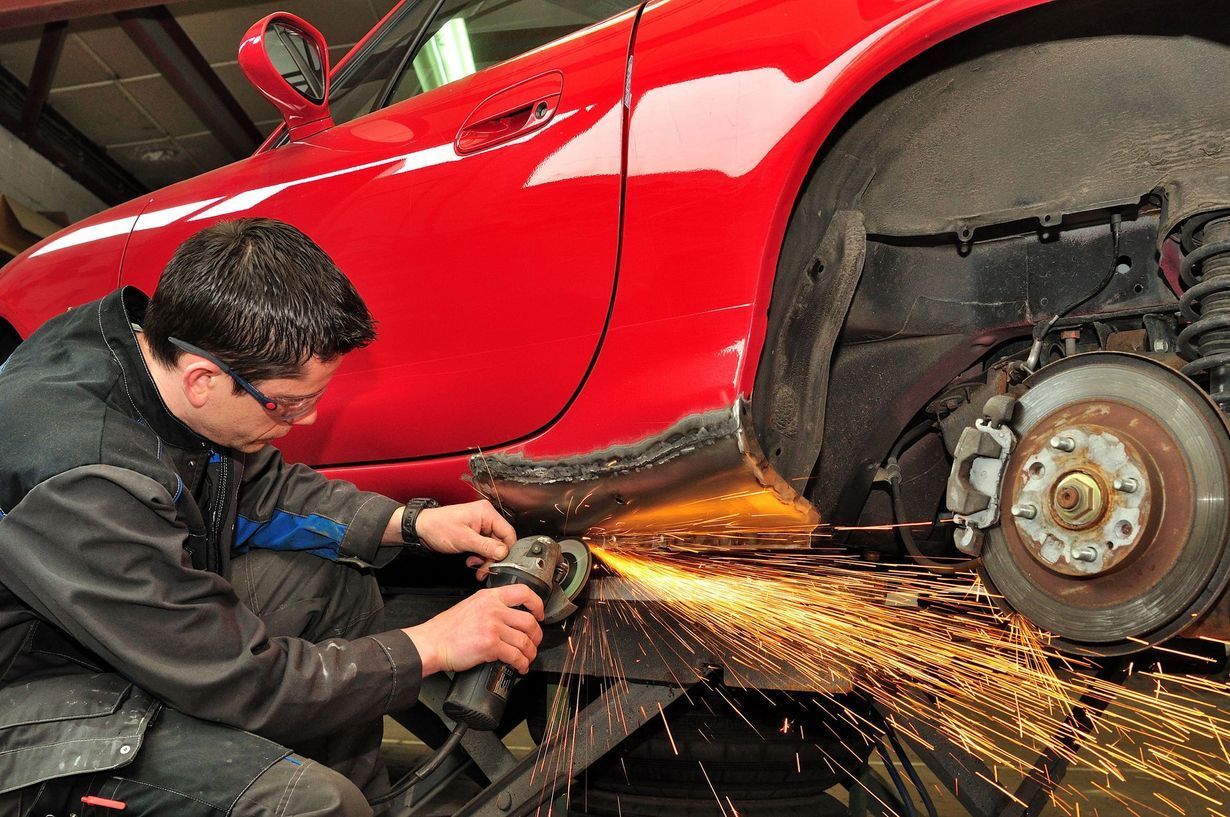
At Track Side Auto Body, we understand the importance of keeping your vehicle in optimal condition and restoring safety whenever unexpected events happen on the road. We remain dedicated to supporting our community with expert structural repair and honest guidance to help keep every journey smooth, secure, and reliable. Contact us today to learn more.