October 2, 2026
Maintaining vehicle safety, structural integrity, and aesthetic appeal after an unexpected collision requires specialized mechanical expertise, meticulous attention to detail, and commercial equipment. Automotive exterior panels, unibody frames, and protective clear coats demand precision craftsmanship to return to factory standards. Whether addressing minor parking lot dents or extensive collision damage, utilizing the proper technical equipment determines the overall quality and durability of the finished restoration. Mechanics and collision specialists rely on advanced pneumatic tools, hydraulic pullers, specialized hand implements, and climate-controlled refinishing systems to execute flawless restorations. Quality craftsmanship relies on understanding how each specialized instrument shapes metal, levels body fillers, aligns structural components, and applies protective finishes. Engaging in comprehensive auto body repair ensures that damaged vehicles remain structurally sound, safe, and visually appealing across years of daily operation. Without proper specialized implements, attempting complex panel straightening or frame realignment risks compromising passenger safety and vehicle value. Understanding the core equipment utilized by industry professionals illuminates the technical complexity involved in restoring modern passenger vehicles. Investing attention into proper tool selection delivers seamless panel contours, perfectly matched finishes, and long-lasting structural strength across every surface.
Utilizing Dual-Action Sanders for Surface Preparation
Preparing damaged exterior panels for fresh paint application requires smooth, seamless surface transition zones between raw metal, primer coats, and existing clear finishes. Dual-action pneumatic sanders play a critical role in surface refinement by combining rotational and orbital motion patterns to prevent deep swirl marks. These versatile power tools allow technicians to feather edge painted borders, level cured body filler compounds, and strip away oxidized surface layers quickly. Achieving a flat, uniform surface foundation remains essential before applying liquid primers or color coats, as microscopic imperfections expand visible defects beneath fresh lacquer. Experienced technicians adjust sanding pad grits progressively, transitioning from coarse abrasive discs to fine finishing papers as surface contours normalize. Integrating proper dust extraction systems with pneumatic sanders keeps working environments clean and prevents airborne particulate contamination on active panels. Professional auto body repair workflows depend heavily on proper sanding techniques to establish invisible transition lines across repaired door panels, fenders, and hoods. Mastering dual-action sanding methods guarantees smooth, durable surface foundations that allow topcoats to adhere securely without peeling or blistering over time. Thorough surface preparation remains essential for flawless finishes.
Operating Hydraulic Frame Alignment Systems
Severe structural impacts frequently distort internal unibody frameworks, altering wheel alignment parameters, door seam clearances, and suspension mounting geometries. Hydraulic frame straightening equipment utilizes heavy-duty pulling towers, laser measuring arrays, and high-pressure hydraulic rams to pull bent structural members back into exact factory alignment specifications. According to SP Global, the average operational age of passenger automobiles across the United States hit a historical high of 12.8 years in 2025. As vehicles remain in active service for longer operational durations, maintaining accurate structural alignment becomes increasingly essential for preserving long-term driving safety. Applying controlled hydraulic pressure allows technicians to reverse impact forces safely without weakening structural steel strength. Precision laser measuring units continuously monitor structural reference points across vehicle undercarriages during pulling operations, ensuring microscopic accuracy throughout the straightening process. Realignment operations conducted during comprehensive auto body repair restore structural crush zones, ensuring that vehicle safety systems function correctly during subsequent highway operation. Correcting structural distortion eliminates uneven tire wear, prevents handling instability, and ensures proper door latch closure across every vehicle frame. Restoring frame geometry safeguards vehicle occupants against future impacts.
Applying Paint Spray Equipment and Curing Booths
Replicating factory paint finishes demands specialized liquid application equipment, precise air pressure regulation, and contamination-free spraying environments. High-volume, low-pressure spray guns deliver refined atomization, allowing technicians to apply metallic basecoats and clear coats with consistent thickness and minimal overspray. Computerized color mixing systems analyze surrounding paint panels to formulate custom paint blends that match faded or aged factory finishes perfectly. Applying liquid coatings inside sealed, downdraft spray booths prevents floating dust particles, environmental lint, and moisture droplets from settling onto fresh paint layers. Regulated heating systems inside commercial curing booths accelerate paint drying cycles, baking clear coats into durable, chemical-resistant protective shields. Technicians executing skilled auto body repair rely on calibrated spray guns to achieve uniform metallic flake distribution and liquid gloss depth across broad quarter panels. Maintaining proper fluid nozzle selection, air line filtration, and spray distance eliminates common paint defects such as orange peel texture, runs, or dry spray patches. Flawless refinishing restores visual elegance while shielding underlying steel and aluminum panels from atmospheric oxidation. Controlled application ensures long-lasting exterior beauty.
Employing Dent Pullers and Stud Welders
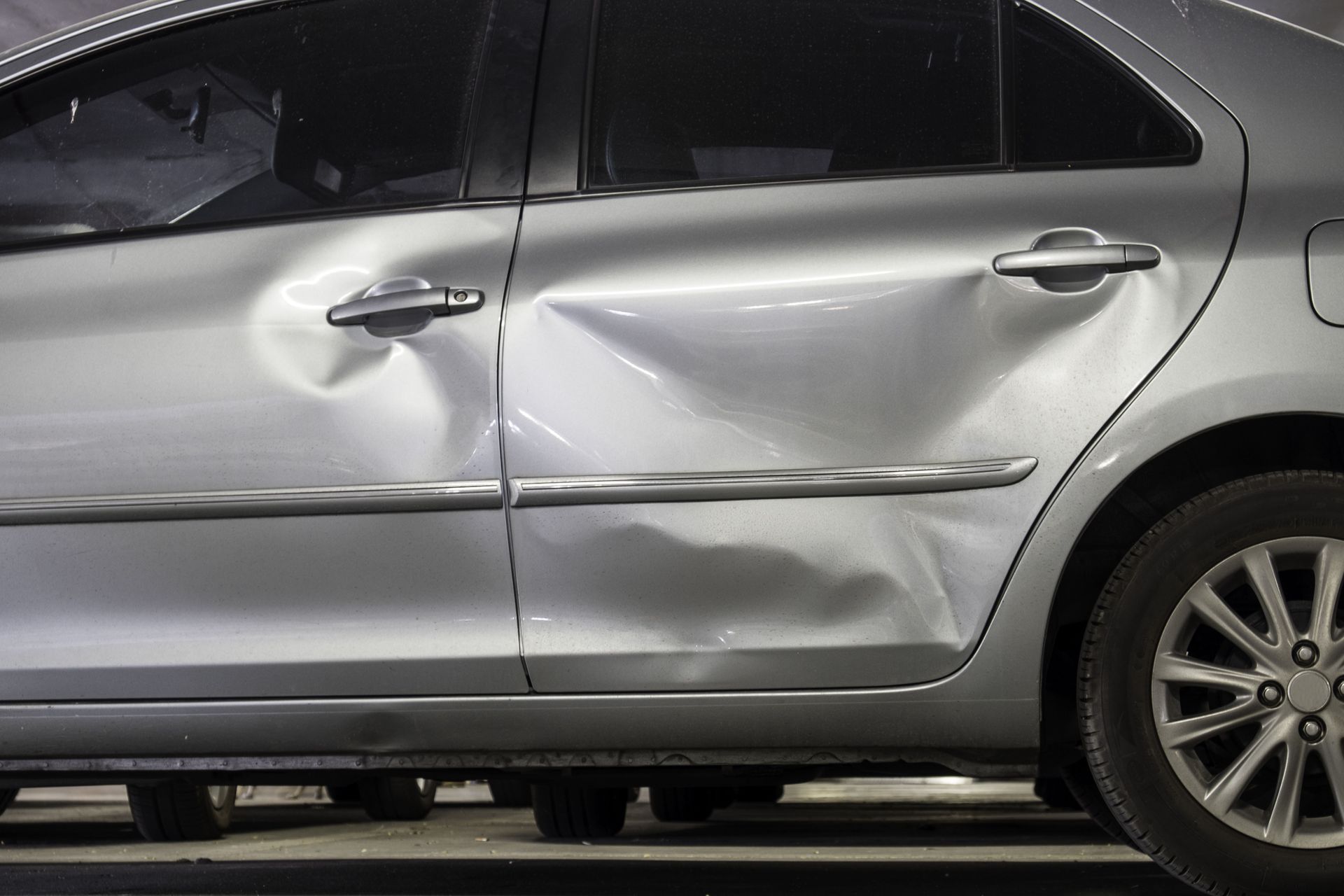
Restoring dented sheet metal without removing interior trim panels or replacing entire door assemblies requires specialized pin welding and pulling equipment. Stud welders temporarily attach small copper-coated steel pins directly into low spots along damaged exterior metal panels. Technicians then attach slide hammers or mechanical pull levers to these welded pins, applying controlled outward force to pull depressed metal contours back outward. This targeted metal shaping methodology preserves original panel strength while minimizing the total amount of body filler required to level exterior surfaces. Once the panel contour is restored, the temporary steel pins are cleanly cut away, leaving the base metal ready for fine sanding. Utilizing pin pulling implements during precision auto body repair saves substantial time while maintaining internal structural integrity across enclosed pillar posts and rocker panels. Specialized pneumatic dent pullers also utilize suction force to lift broad, shallow depressions out of flexible aluminum or steel panels without disturbing underlying paint layers. Combining mechanical pulling with traditional metal shaping restores original body contours efficiently. Minimizing body filler preserves natural panel flexibility under environmental stress.
Selecting Specialized Hand Tools and Body Hammers
Despite continuous technological advancements in power equipment, traditional hand shaping tools remain indispensable for detailed metal restoration. Specialized body hammers, hand dollies, spoons, and metal slappers allow craftsmen to manipulate sheet metal contours with extreme tactile precision. Technicians place steel dollies behind damaged panels while tapping exterior surfaces with shaped hammer crowns, carefully working out subtle ridges and stretching stretched metal. Different hammer face shapes, including shrinking heads, pick ends, and wide planishing faces, address specific metal distortion profiles across curved body lines. Additionally, specialized trim removal tools, panel pliers, and seam scraper implements enable clean disassembly without marring interior plastics or damaging weather seals. Utilizing ergonomic hand tools during detailed auto body repair ensures that delicate body lines, crisp character creases, and tight door gaps are restored accurately. Hand planishing smooths out subtle surface irregularities, reducing the need for heavy filler applications and ensuring natural panel flexibility. Mastering traditional hand metalworking implements remains the hallmark of true automotive restoration expertise. Handcrafted accuracy delivers seamless panel alignment.
Achieving exceptional vehicle restoration outcomes requires combining technical expertise with high-performance equipment, specialized hand tools, and advanced refinishing technology. From initial frame alignment and precise dent extraction to surface sanding, paint spraying, and final clear coat curing, every phase of structural restoration demands specialized tools. Maintaining modern passenger vehicles with proper equipment preserves structural safety, restores original aesthetic beauty, and extends operational lifespan. Entrusting panel alignment and surface refinishing to experienced specialists guarantees seamless, durable results across every vehicle component. Relying on professional auto body repair safeguards vehicle longevity, structural strength, and daily driving comfort over time. Protecting your vehicular investment against collision damage or environmental wear requires dedicated craftsmanship and technical excellence. If you are ready for superior vehicle restoration results, contact us at Track Side Auto Body today. We will help you restore your vehicle to pristine condition with complete professional care.