July 30, 2026
A sudden impact or parking lot mishap can transform your vehicle's pristine exterior into a dimpled surface in seconds. For car owners facing this frustrating situation, restoring the vehicle's aesthetics and structural value becomes an immediate priority. This comprehensive guide explores the feasibility of paintless dent repair (PDR) for minor exterior damage, distinguishing its effectiveness, benefits, and inherent limitations. By understanding the multi-step mechanical processes involved, critical financial considerations, and the specific boundaries of this technique, you can determine whether it is the right path for your automobile. Navigating auto insurance claims and choosing qualified technicians are crucial components of this decision. Ultimately, this detailed breakdown gives you the insights necessary to make an informed decision regarding your vehicle's specific reconditioning and structural needs.
Understanding Paintless Dent Repair (PDR)
Paintless Dent Repair began as an innovative method in the early 1960s, designed to fix minor automotive dents without repainting the entire vehicle panel. Over the decades, PDR techniques have significantly evolved, incorporating advanced metalworking tools and precision-guided techniques. Initially utilized primarily within high-volume factory assembly lines to fix minor manufacturing slips, a specialized paintless dent repair service began gaining traction among independent repair shops globally in the late 1980s. Today, this specialized methodology has become a popular choice due to its non-invasive approach that preserves the factory paintwork. The technique has continuously adapted to handle a variety of complex dents more efficiently, making it a preferred choice for modern vehicle maintenance.
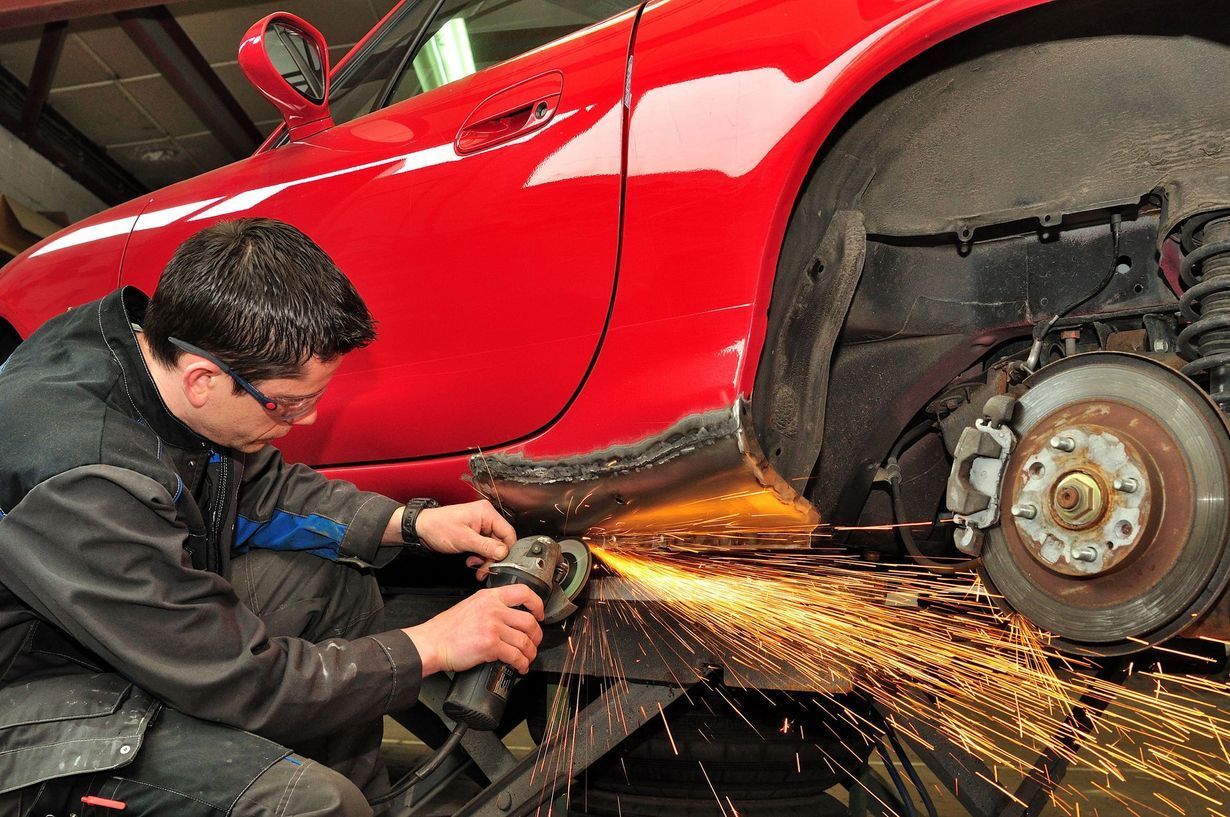
The baseline process of a paintless dent repair service involves carefully massaging out surface indentations from the underside of the car's body panels using specialized metal tools. This internal manipulation eliminates surface imperfections without altering the exterior finish. Technicians must skillfully manipulate the metal back into its exact original shape, a meticulous process requiring a keen eye for detail, immense patience, and expert technical training. Unlike traditional body shop repairs, PDR completely avoids the use of plastic body fillers, heavy chemical primers, and matching paint, thereby maintaining the structural integrity of the vehicle's surface. This method is particularly advantageous for vehicles subjected to minor structural impacts because the resulting dents are typically shallow, allowing for an incredibly effective restoration. Skilled technicians can tackle different dent sizes and complexities, though extreme impacts may require alternative solutions.
PDR relies heavily on a diverse array of specialized tools crafted exclusively for precision metal manipulation. High-carbon steel rods, body hammers, sliding weights, and specialized glue-pulling tabs are essential for safely reaching and adjusting the affected panel areas without causing structural damage. The equipment varies dramatically in length, curvature, and rigidity, specifically tailored to address dents in hard-to-reach locations like inner door panels, double-walled hoods, and roof tops. Advanced lighting systems, particularly high-contrast LED boards, are crucial. These lights allow technicians to clearly see subtle dent imperfections and reflection distortions, ensuring a flawless finish. These specialized instruments collectively enable a modern paintless dent repair service to perform intricate adjustments while preserving the original paintwork.
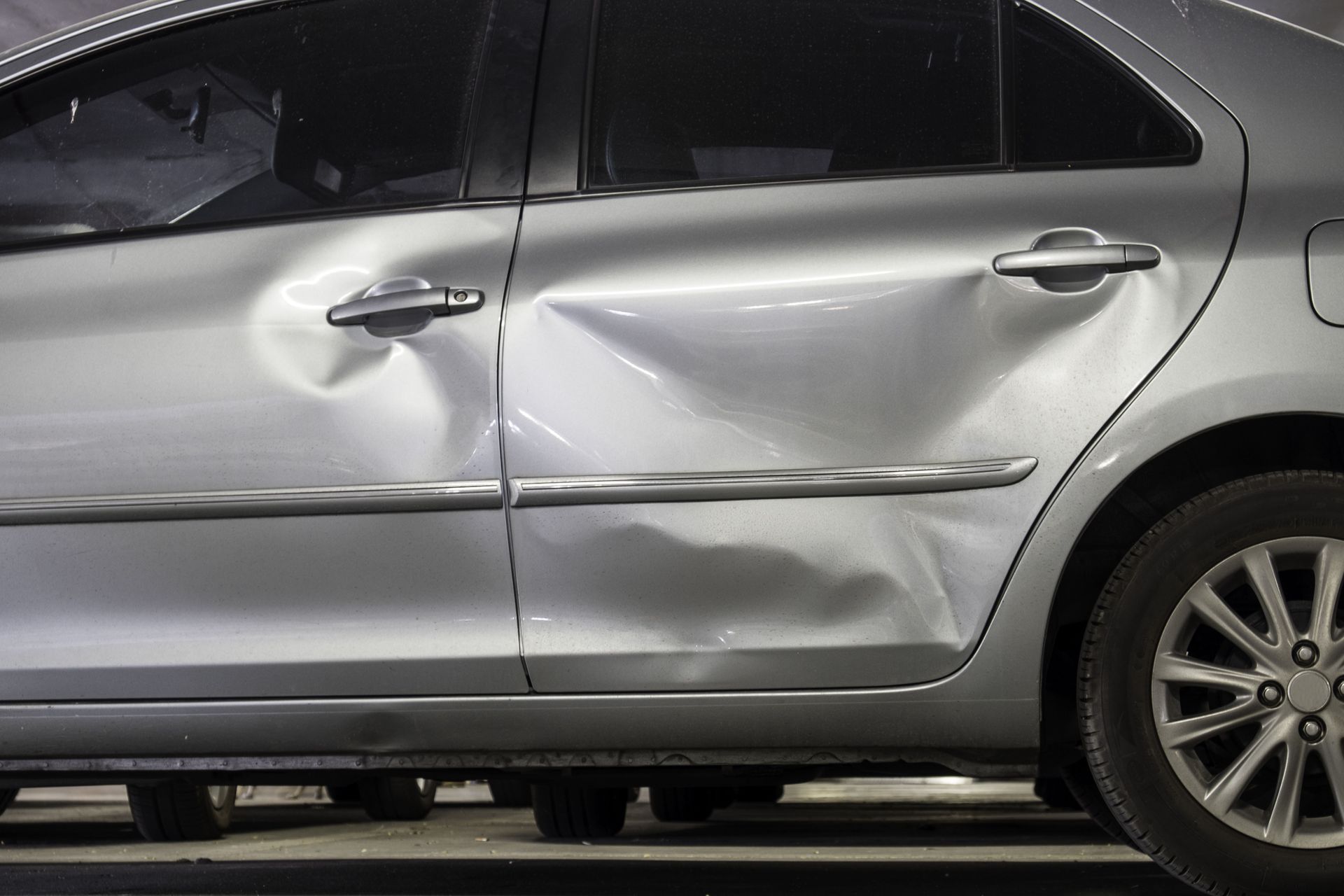
Paintless Dent Repair is predominantly utilized for minor dent corrections, such as those caused by runaway shopping carts, door dings, and other minor daily impacts. Its widespread applications are appreciated across the automotive industry because it preserves original parts and reduces costly, time-consuming repairs. The technique is efficient for modern lightweight vehicles and is equally adaptable for older models. Considering that, according to Kelley Blue Book, the average vehicle on American roads is now nearly 13 years old, preserving original components through non-invasive means is more crucial than ever for longevity. A professional paintless dent repair service offers an effective solution that caters perfectly to both aesthetic and practical concerns for aging vehicles on the road.
While highly effective for minor cosmetic damage, a paintless dent repair service faces rigid limitations when tackling severe or complex body damage. The feasibility of this method is heavily restricted if the vehicle's paint has been chipped, cracked, or severely scratched by the impact, necessitating traditional refinishing strategies instead. Furthermore, it is not typically suitable for panels made from composite materials or advanced carbon fibers that impede flexibility and elasticity. Additionally, sharp dents located on deep panel edges or directly over heavy internal structural reinforcements often cannot be rectified through PDR alone. Therefore, it remains vital to accurately assess the overall damage severity before dismissing alternative methods.
The Advantages of PDR for Auto Restoration
Paintless Dent Repair is consistently more cost-effective than traditional body repair methods due to its streamlined technical process and significantly reduced labor hours. By completely negating the need for custom paint matching, blending, and extensive material application, PDR incurs fewer overhead expenses while maintaining a high-quality finish. This method is beneficial for the widespread, minor damage prevalent in severe parking lot incidents, offering a financially viable alternative to full panel repainting. Additionally, quicker turnaround times equate to fewer rental car expenses, contributing to PDR’s overall cost-efficiency for consumers.
One of the primary advantages of utilizing a paintless dent repair service is the absolute preservation of the vehicle’s original factory paintwork, maintaining its aesthetic value and resale potential. Original paint preservation is paramount for vehicle enthusiasts and those conscious of long-term vehicle maintenance. Preserved factory paint ensures perfect color consistency across all panels and guards against future color disparities that often arise from aftermarket panel repainting. Maintaining the original finish also prevents the introduction of paint blending issues, overspray, and potential long-term UV fading mismatches.
Unlike traditional auto body repairs that utilize chemical paints, thinners, primers, and body fillers that contribute toxic volatile organic compounds (VOCs) to the environment, PDR is an eco-friendly option. The total absence of harmful chemicals, body fillers, and hazardous waste significantly reduces the repair process's environmental footprint. By avoiding the consumption of non-recyclable materials, PDR conserves natural resources and minimizes body shop waste. Environmentally conscious consumers value this aspect as it aligns with sustainability goals, while positioning repair shops as responsible paintless dent repair service providers.
Challenges and Limitations of PDR
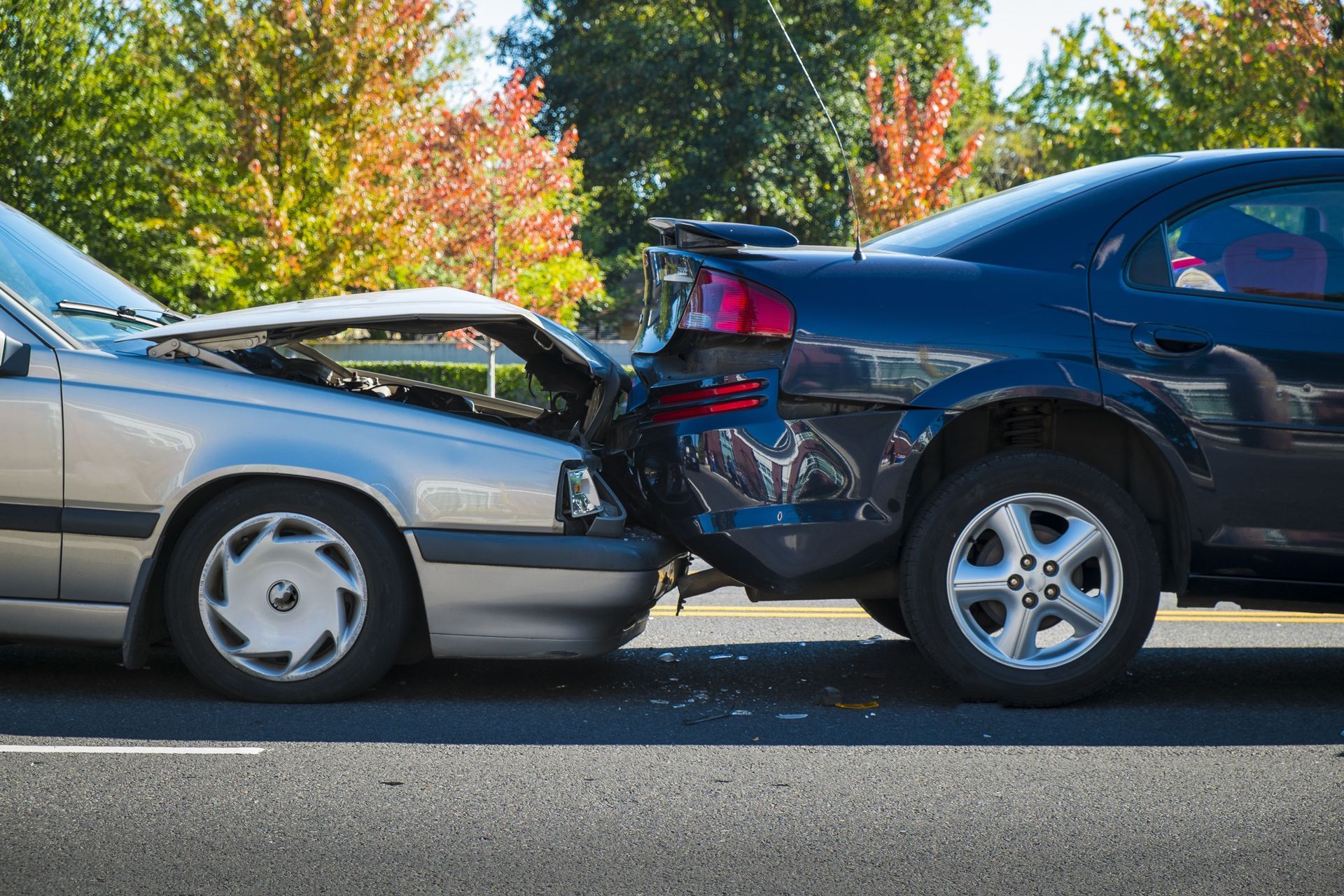
PDR is not versatile enough to handle all types of automotive impact, particularly when dealing with severe damage that compromises structural integrity. Shallow dents are PDR's specialty; however, deep creases, jagged punctures, or sharply impacted metal areas stretch the material beyond its elastic limit, challenging the technique's baseline efficiency. The true limitations of PDR become prominent when exterior damage extends to paint chipping, requiring traditional bodywork repairs to prevent underlying rust. Furthermore, some panels feature internal structural reinforcements that block specialized tools, restricting accessibility.
Insurance coverage for dent repair varies widely among insurance providers, with specific policy parameters deeply affecting affordability. Many comprehensive insurance policies fully cover PDR for minor cosmetic damage because insurers prefer its cost-effective and swift nature over traditional auto body work. Consequently, understanding the specifics of your personal insurance policy, comprehensive coverage terms, and deductible rates is pivotal before booking a repair. Identifying a highly qualified technician skilled in PDR is essential to ensure long-term repair quality and prevent panel distortion.
Paintless dent repair offers an exceptional, highly viable solution for many vehicles affected by severe cosmetic dings, providing undeniable economic, environmental, and aesthetic benefits. While it may not be suitable for extreme structural destruction or cracked paint, understanding its strengths and limitations allows you to make an enlightened choice for your vehicle. Always consult with certified professionals to ensure you receive the repair method best suited for your vehicle's specific condition.
By proactively addressing collision spots early, you prevent long-term metal degradation, preserve the flawless factory finish, and protect the financial equity tied up in your automobile. Neglecting these minor imperfections can lead to rust vulnerabilities or decreased trade-in valuations down the road, making prompt professional intervention a necessity. Fortunately, advanced specialized tooling has made the entire restoration process smoother, cleaner, and more accessible than ever before. If you are ready to restore your vehicle to its factory-fresh appearance with trusted experts, contact Track Side Auto Body today for a comprehensive inspection and quote.