November 2, 2026
Getting into a car accident is stressful enough without worrying about who will repair your vehicle. Finding a reliable auto body shop can feel daunting. Many drivers choose the first facility they find online. However, taking time to evaluate your options can save you money and headaches.
You need to make sure the technicians working on your car have the right skills and follow industry standards. Asking the right questions upfront will give you a clear picture of what to expect throughout the repair process. It also helps you avoid facilities that cut corners or use subpar replacement parts. We've put together four essential questions you should ask before handing over your keys.
1. What Certifications Do Your Technicians Hold?
Vehicles today are complex machines built with advanced materials and intricate safety systems that require precise calibration. A simple fender bender can misalign sensors, damage high-tech components hidden behind the bumper, or compromise the structural integrity of the frame. Because of this modern complexity, mechanics need specialized training to restore a car to factory condition. If a repair facility lacks proper credentials, they might attempt a fix using outdated methods that compromise your safety on the road.
When speaking with a manager, ask if they carry recognized credentials like the I-CAR Gold Class certification. This certification is an industry standard indicating the staff undergoes continuous training to keep up with new vehicle designs and modern repair techniques. Manufacturer-specific certifications from popular brands like Ford or General Motors are also highly valuable indicators of a professional operation. These credentials show that an auto body shop has invested heavily in the tools required to work on those specific models.
A certified facility is held to strict industry standards regarding the overall quality of its work and the safety of its operations. Technicians who actively maintain their certifications are less likely to make fundamental errors that could lead to premature tire wear or mechanical failures. They understand how different high-strength metals react to heat and can recalibrate advanced driver assistance systems.
2. What Kind of Warranty Do You Offer on Repairs?
Any professional facility should stand behind the craftsmanship of their work and the quality of the parts they install. A comprehensive warranty acts as a safety net for you in case something goes wrong after you drive off the lot. Paint can peel, replacement parts can fail, and alignment issues might become apparent after a few weeks of driving. Without a written warranty, you could be left paying to fix mistakes the mechanics made during the initial service.
When you ask about warranties, pay close attention to the specific terms and conditions they offer. Some facilities provide a lifetime warranty on their paint and bodywork but might only offer a limited warranty on mechanical components. You need to know how long the coverage lasts and what scenarios might void that coverage. A reliable auto body shop will clearly explain the limitations of their warranty and provide all the details in writing before you sign any authorization forms.
It's also important to understand the difference between a shop warranty and a manufacturer warranty on replacement parts. If a mechanic installs a defective alternator, the part manufacturer might cover the cost of the replacement unit, but you might have to pay for the labor to install it. A strong warranty covers both the replacement parts and the labor required to fix the issue.
3. How Do You Handle the Insurance Claim Process?
Dealing with an insurance provider after a collision is often the most frustrating part of the vehicle repair journey. Between filing the initial claim, waiting for an adjuster to review the damage, and negotiating the final payout, the administrative work can feel overwhelming. Many drivers don't have the time or industry knowledge to argue with insurance representatives over labor rates or part prices. Finding a repair facility that actively assists with this administrative burden can make your life easier.
A professional facility will have experienced estimators on staff who work directly with major insurance carriers daily. These professionals understand how to format a repair estimate so it gets approved quickly. They can advocate on your behalf to ensure the insurance company covers necessary original equipment manufacturer parts instead of pushing for cheaper aftermarket alternatives. According to AutoBody News, one in 10 commercial auto claims in the U.S. involved gig-economy vehicles in 2025. With claims volumes remaining high, having an advocate helps prevent your case from getting stalled in a backlog.
Ask the staff if they're a direct repair facility for your specific insurance provider. Direct repair programs enable the auto body shop to bypass the traditional insurance adjuster inspection process and begin tearing down the damaged vehicle immediately. This streamlined partnership can cut days off your total repair timeline. However, you're never legally required to use a facility recommended by your insurance company, so you should prioritize finding mechanics with excellent reviews and appropriate industry certifications instead of just convenience.
4. What's Your Approach to Providing Repair Estimates?
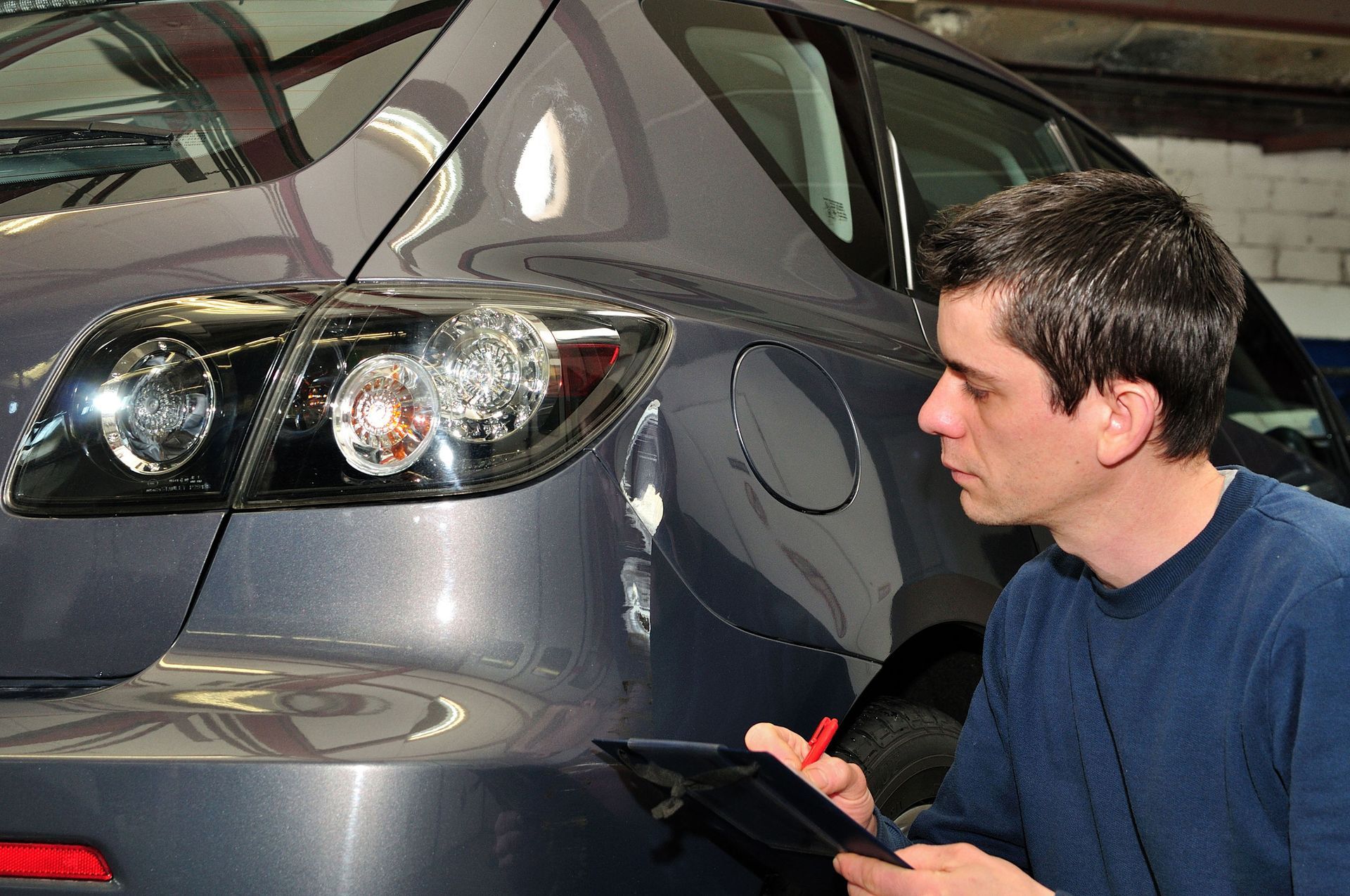
An accurate and transparent estimate is the foundation of any successful vehicle repair project. When you bring your damaged car in for an evaluation, the staff should perform a thorough inspection rather than just glancing at the exterior scratches. They need to assess the underlying frame, check for fluid leaks, and evaluate the suspension components to provide a realistic price. If a mechanic gives you a quote in three minutes without opening the hood, you should take your business elsewhere.
You should ask if they charge a fee for providing an initial estimate. Most reputable repair centers offer free visual estimates as a standard courtesy to potential customers. During this initial consultation, the estimator should walk you around the vehicle and point out all components that need to be fixed. They should explain their reasoning clearly and answer any questions you have about the proposed labor times.
Request an itemized written quote that breaks down the specific costs for parts, labor, paint, and hazardous waste disposal fees. A detailed breakdown helps you compare quotes between different facilities accurately. If one quote is significantly lower than another, the itemized list will help you see if the cheaper facility is planning to use inferior aftermarket parts or if they're skipping important prep work. Transparency in pricing shows that the business respects your budget.
Navigating the aftermath of a car accident requires patience, clear communication, and a basic understanding of how the collision industry operates. Asking these questions can protect you from subpar workmanship, unexpected financial burdens, and frustrating delays. You want a team that's willing to explain their daily procedures, show proof of their training, and stand behind the quality of their repairs with a solid written warranty.
Remember that your vehicle is a major financial investment and plays a vital role in your daily life. You have the right to choose who repairs it, regardless of what an insurance adjuster might suggest. A reputable auto body shop will welcome your questions and treat your concerns with the respect they deserve. Take your time, do your research, and choose a facility that prioritizes your safety.
When you're ready to schedule your repairs with a reliable auto body shop, call the certified professionals at Track Side Auto Body to get a free estimate today.