April 29, 2026
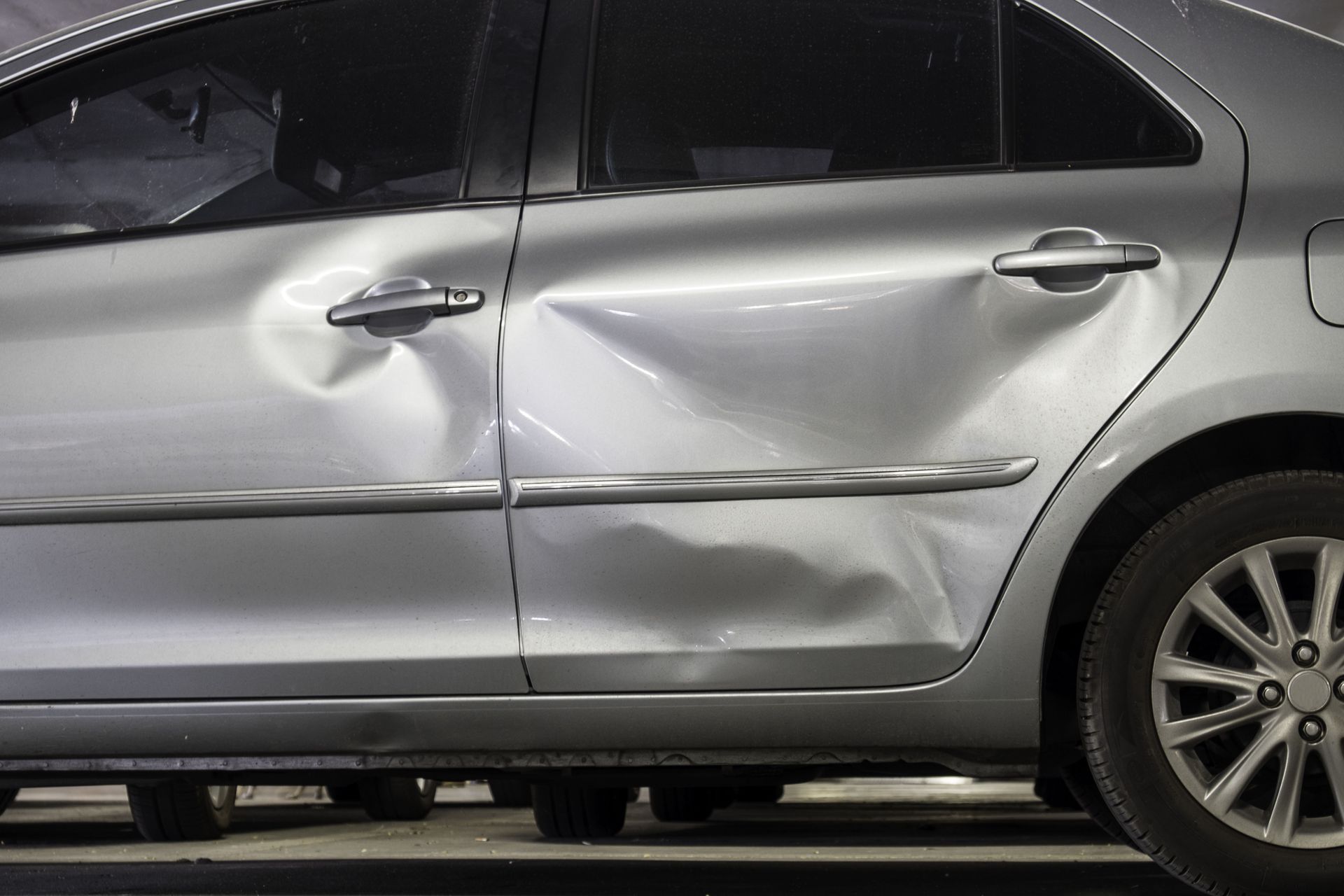
The visual appeal of a vehicle is often the first thing people notice, but maintaining that aesthetic is a constant battle against the elements and other drivers. When a car sustains a minor dent or ding, the traditional approach often involves expensive body fillers and time-consuming repainting processes. However, a more elegant solution has become the gold standard for minor cosmetic fixes. This method, known as paintless dent repair, focuses on restoring the metal to its original shape without disturbing the factory finish. It is a meticulous process that requires a blend of patience, specialized lighting, and a deep understanding of metal memory. By choosing this path, vehicle owners can avoid the complications of color matching and the potential for overspray, ensuring the car looks exactly as it did when it left the showroom floor.
Understanding the Core Methodology
Restoring a vehicle through this specialized process requires a technician to manipulate the metal from the inside out. Unlike traditional methods that sand down the paint to apply filler, this approach treats the metal as a flexible canvas. The technician uses a variety of access points, such as window seals or removable interior panels, to reach the backside of the damaged area. Once they have a clear path, they use slow, steady pressure to massage the dented area. This is not about brute force; it is about knowing exactly where to apply pressure to encourage the molecules of the steel or aluminum to return to their original alignment. Because modern automotive paint is highly resilient and elastic, it can often withstand this reshaping without cracking or flaking.
Utilizing Specialized Precision Tools
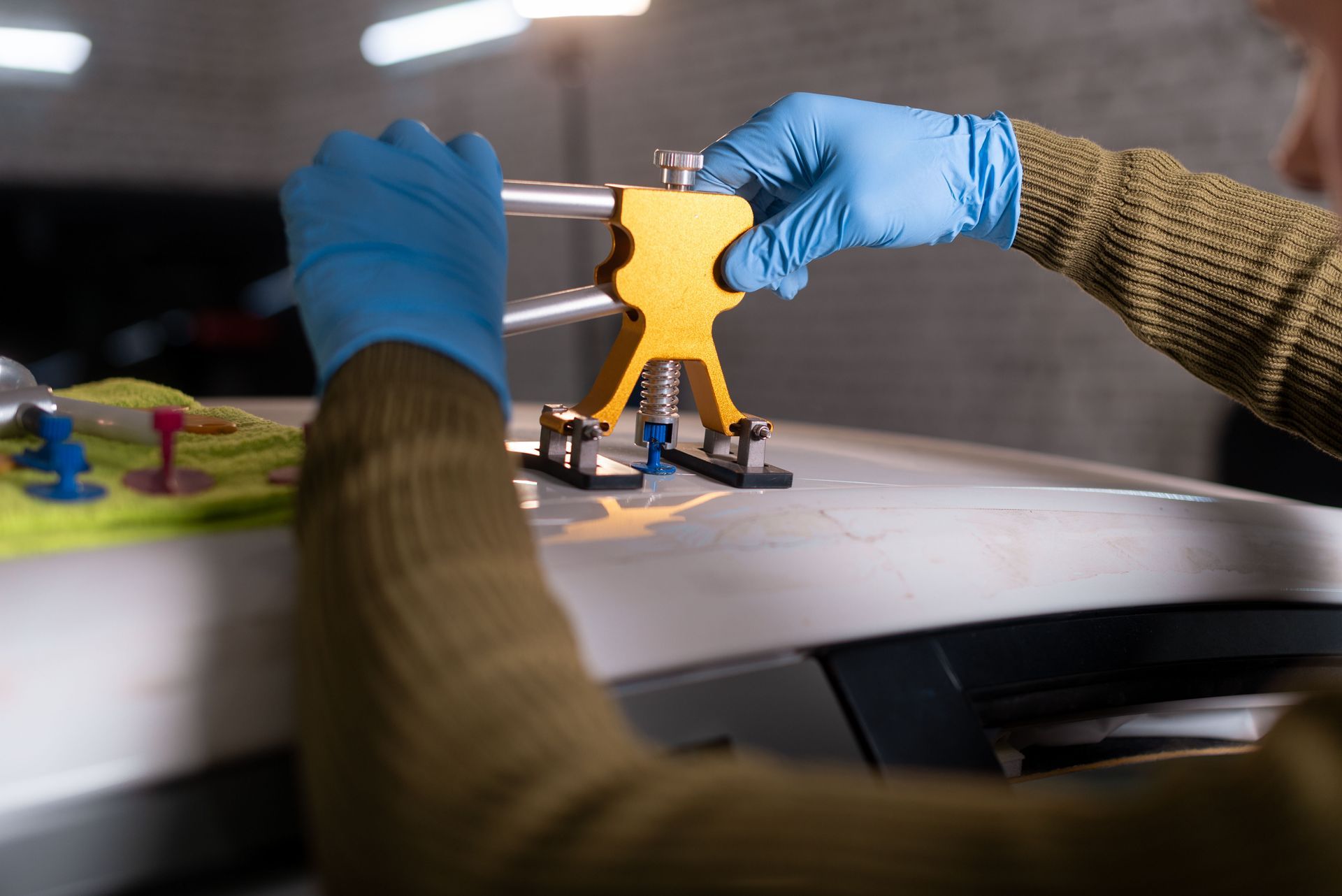
The toolkit used in paintless dent repair is unlike any other in the automotive world. Instead of power sanders and spray guns, these experts use a collection of long, thin rods and curved picks made from high-strength tempered steel. These tools are designed to snake into tight crevices and provide leverage in areas that seem inaccessible.
- Stainless Steel Rods: These come in various lengths to reach deep into doors or hoods.
- Whale Tails: Wide, flat tools used to repair dents in braced areas where space is limited.
- Glue Pulling Kits: For areas where the backside is completely sealed, technicians use specialized tabs and high-strength adhesive to pull the dent from the outside.
- Heat Guns: Used to keep the paint pliable in cold weather, preventing the finish from becoming brittle during manipulation.
Analyzing Metal Surface Reflections
One of the most critical components of a successful repair is how the technician views the damage. They do not rely on standard overhead lighting, which can hide small imperfections. Instead, they use specialized light boards or "line boards" that cast a series of parallel lines across the vehicle’s surface. When a dent is present, these lines bend and distort, acting as a topographical map of the damage. By watching how these lines react to every push of the tool, the technician can identify high spots and low spots that are invisible to the naked eye. The repair is only considered finished when the reflected lines are perfectly straight and uniform across the entire panel. This level of scrutiny ensures that the repair is truly invisible, even under the harsh glare of the sun.
Evaluating Domestic Workforce Statistics
The growth of the automotive service industry has created a vast network of professionals dedicated to maintaining the nation’s fleet. According to Zippia, there are over 80,180 auto body technicians currently employed in the United States. This large workforce includes generalists who handle major collisions as well as highly specialized artisans who focus exclusively on paintless dent repair. The presence of so many skilled workers ensures that consumers have options when it comes to vehicle restoration. Within this workforce, those who master the art of non-invasive repair are often in high demand because they provide a service that saves both time and money for the consumer while maintaining the structural integrity of the vehicle.
Preserving Long-Term Vehicle Value
Maintaining the original factory paint is perhaps the most significant financial benefit of this repair method. When a car is repainted, even by a professional, a paint depth gauge can often detect the difference in thickness compared to the rest of the vehicle. This can lead to questions during a resale or trade-in process, potentially lowering the car's market value. Because paintless dent repair keeps the original finish intact, the vehicle’s history remains clean. This is particularly vital for:
- Leased Vehicles: Avoiding heavy "excessive wear and tear" charges at the end of a lease.
- Luxury Cars: Maintaining the rare or expensive tri-coat finishes often found on high-end models.
- Classic Cars: Preserving the "survivor" status of a vehicle where original paint is a massive value driver.
- Daily Drivers: Ensuring that minor parking lot dings do not accumulate and make a car look neglected over time.
Promoting Sustainable Repair Practices
In today's automotive landscape, environmental responsibility is more than just a trend; it is a necessity. Traditional body shops are often associated with high levels of waste, including chemical runoff from sanding and the release of toxins during the painting process. Choosing paintless dent repair significantly reduces the environmental footprint of a vehicle restoration. Since no chemicals, fillers, or paints are used, there are no harmful fumes released into the atmosphere and no hazardous materials to dispose of. This makes it a "green" alternative that aligns with the values of eco-conscious drivers. By relying on manual skill and physics rather than chemical additives, this method stands as the most sustainable way to handle exterior automotive maintenance.
Optimizing Repair Turnaround Times
The most common complaint regarding auto body work is the length of time a vehicle spends in the shop. A traditional repair can take days as the technician waits for body filler to dry, primer to cure, and multiple coats of paint to be applied and buffed. By contrast, the paintless dent repair process is incredibly fast. Most minor dings can be resolved in under two hours, and even extensive hail damage can often be handled in a fraction of the time a traditional shop would require. This efficiency means less time in a rental car and less disruption to your personal schedule. It provides a level of convenience that modern drivers require, allowing them to maintain their vehicles without sacrificing their mobility for extended periods.
Modern vehicle maintenance is all about finding the balance between quality and efficiency. When you choose to address exterior damage through paintless dent repair, you are opting for a method that respects the engineering of your vehicle. It is a process that relies on the craftsmanship of the technician rather than the masking of damage with artificial fillers. By understanding how this technique works, you can make an informed decision the next time a stray pebble or a runaway shopping cart leaves its mark on your car. Protecting your investment has never been easier, and the results speak for themselves in the form of a smooth, unblemished finish that looks as good as new.
For professional assistance with your vehicle restoration, including expert evaluations and precision craftsmanship to return your car to its peak condition, reach out to Track Side Auto Body today to speak with a specialist and schedule your service!