June 30, 2026
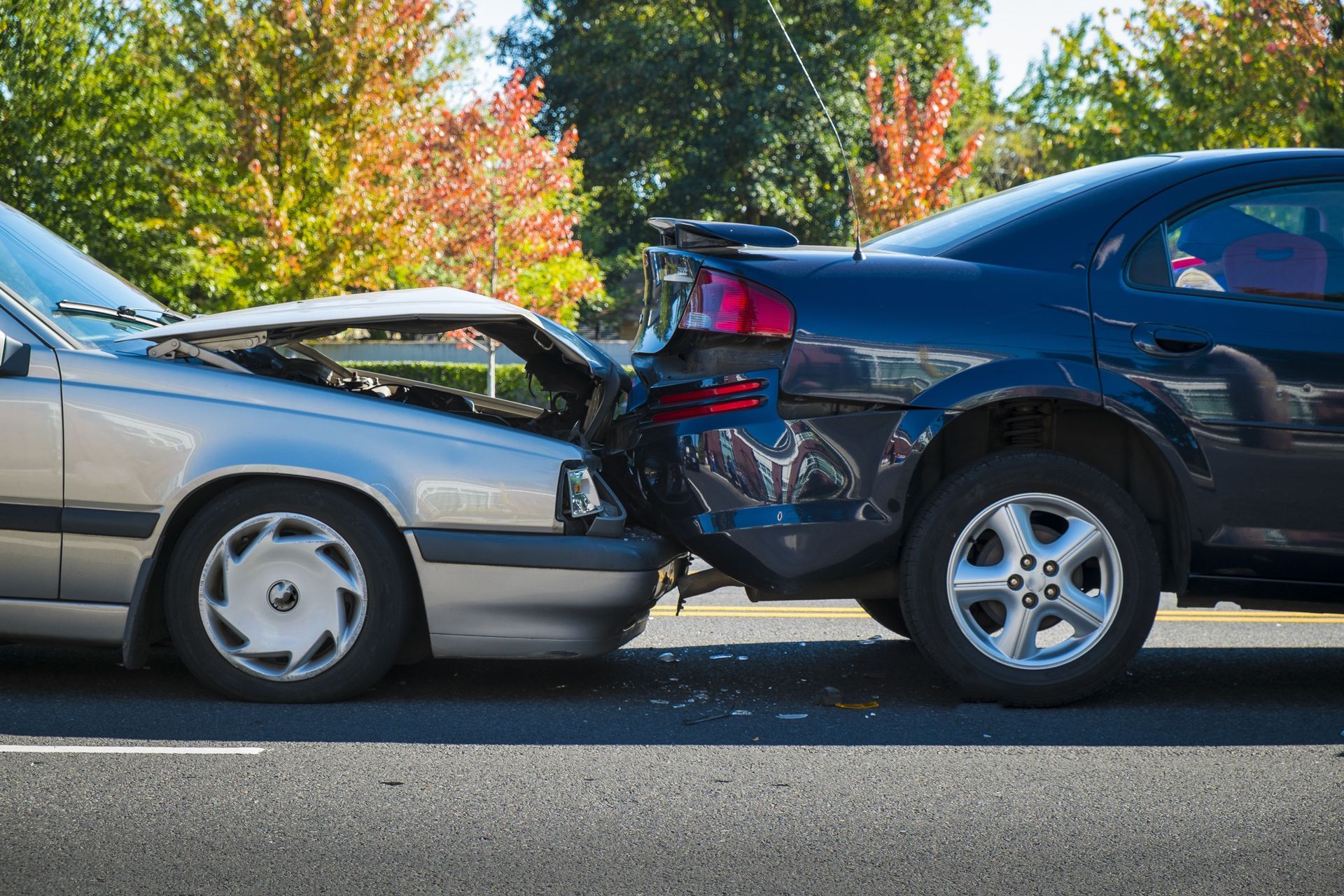
Car accidents are inherently stressful events. In the immediate aftermath of a fender bender or a highway accident, your adrenaline spikes, your schedule is instantly disrupted, and uncertainty takes over. Once you establish that everyone involved is safe, your focus naturally shifts to your vehicle. For most people, a car is one of the largest financial investments they will ever make. Seeing it crumpled or structurally compromised can be deeply disheartening.
The path back to normalcy involves navigating a technical journey to restore your vehicle’s safety, performance, and aesthetic appeal. Unfortunately, the average driver knows very little about what happens behind the scenes once they hand over their keys to a shop. This lack of transparency can breed anxiety, leaving you wondering if your car will ever drive the same way again or if you are being treated fairly by insurance companies and technicians alike.
Understanding the stages of modern automotive restoration is the best antidote to this anxiety. The industry itself is massive and rapidly evolving to keep pace with highly advanced vehicular technology, according to Fact.MR, the global automotive collision repair service market is expected to hit a value of $272.8 billion by 2034. This staggering figure reflects just how complex and specialized modern automotive restoration has become. Vehicles today are no longer just sheets of basic steel; they are integrated machines built with lightweight aluminum, ultra-high-strength steel, sensitive crumple zones, and intricate Advanced Driver Assistance Systems (ADAS) featuring cameras, radar, and sensors.
Because modern vehicles are essentially computers on wheels, executing a proper restoration demands incredible precision. This is why attempting to cut corners or relying on amateur fixes is a massive risk. Throughout every single phase of recovery, you must emphasize the importance of working with professionals who possess the specialized equipment, training, and computerized data required to bring your vehicle back to original equipment manufacturer (OEM) specifications.
To demystify this complex workflow, let us break down the standard collision repair journey into distinct, logical phases. By peeling back the curtain on the auto body shop floor, you will gain the confidence and knowledge needed to navigate your vehicle’s recovery seamlessly. During the estimation phase, establishing a clear scope for collision repair prevents unexpected out-of-pocket costs.
1. Documenting the Initial Vehicle Damage
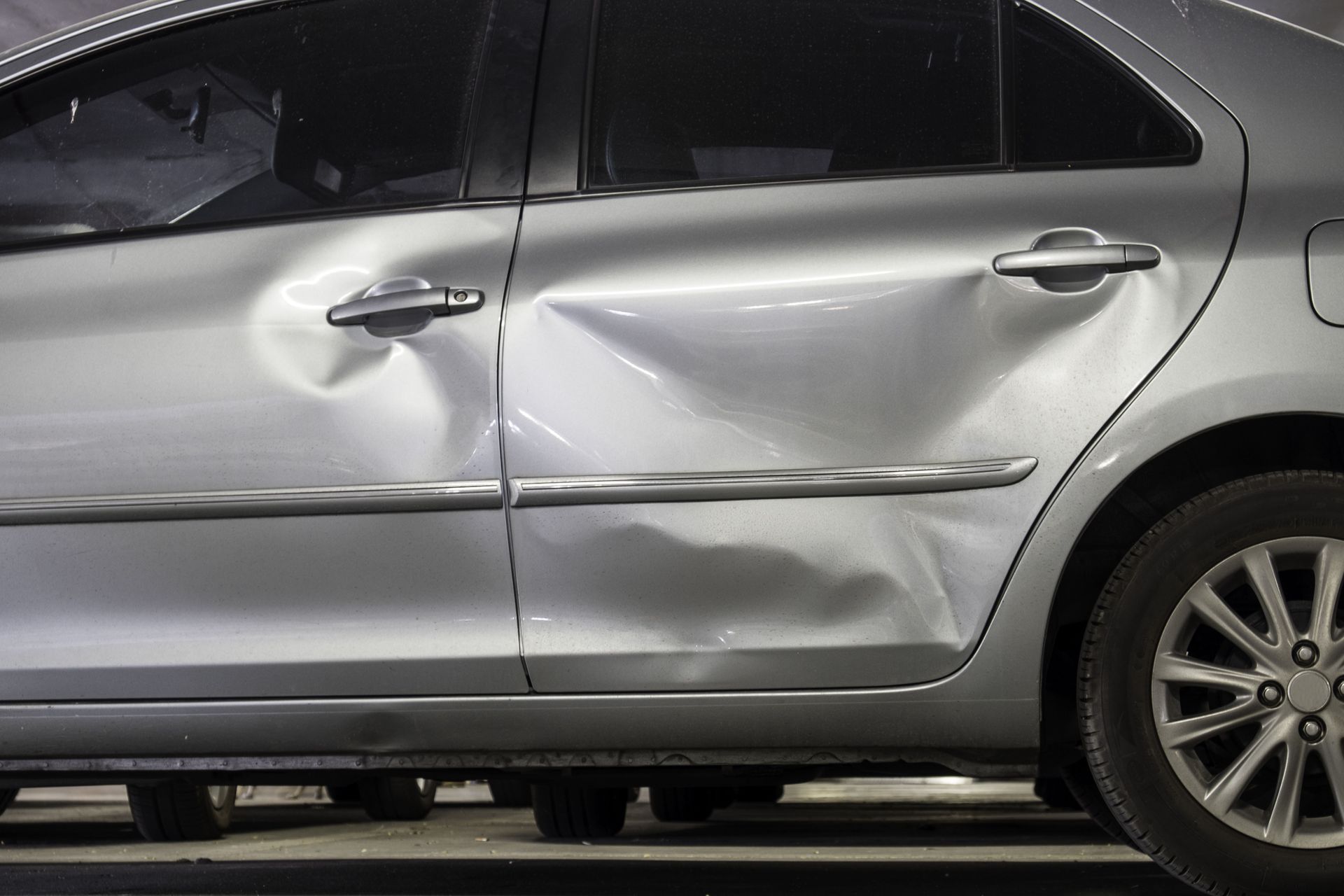
The journey begins the moment your vehicle arrives at a professional facility, either driven in or delivered by a flatbed tow truck. The first phase is entirely centered around capturing a baseline record of the visible external issues. An estimator will walk around the vehicle, taking high-resolution photographs from multiple angles and noting every scratch, dent, and misaligned panel. During this stage, the professional reviews the details of the accident with you to understand the direction of the impact and any immediate mechanical symptoms you noticed. They will create an initial line-item estimate detailing the exterior parts that require replacement or reshaping. It is vital to note that this initial document is merely a preliminary roadmap; it focuses exclusively on what can be observed without dismantling the vehicle. Working with a professional ensures that this initial paperwork is handled with a level of detail that your insurance company will accept, establishing a smooth foundation for the rest of the project.
2. Disassembling the Impacted Body Panels
Once the initial paperwork is approved, the vehicle is moved from the parking lot into the active service bays for the blueprinting stage. This is where true professional expertise shines. Technicians do not just look at the outside of a car; they systematically disassemble the damaged area, removing bumpers, fenders, grilles, and trim pieces to expose the underlying structures.
3. Evaluating the Hidden Structural Integrity
With the inner skeleton of the vehicle fully exposed, technicians conduct a rigorous evaluation of the structural frame or unibody architecture. Modern vehicles are designed with specific crumple zones that intentionally buckle to absorb impact energy and protect the cabin's occupants. High-end framework is the literal backbone of any structural collision repair workflow. If these structural areas are warped or compromised, the vehicle is fundamentally unsafe to drive.
4. Sourcing the Certified Replacement Components
Once the full scope of both internal and external damage is mapped out, the shop’s parts coordinator begins ordering components. Depending on your insurance policy guidelines and your personal preferences, these parts can fall into a few different categories: Original Equipment Manufacturer (OEM) parts, high-quality aftermarket parts, or certified recycled components. A professional shop prioritizing top-tier collision repair will advocate for parts that guarantee structural integrity and flawless fitment.
5. Executing the Detailed Structural Rebuilding
With the structural frame straightened and new components on hand, the heavy manual labor begins. This phase is where structural components, inner core supports, and wheelhouse assemblies are replaced or repaired. Many structural components cannot be safely reused in a standard collision repair scenario. Technicians utilize highly specialized welding techniques, including squeeze-type resistance spot welding, to replicate the factory welds originally performed by assembly-line robots.
6. Smoothing the Exterior Cosmetic Surface
Once the underlying structure is perfectly sound, the focus shifts to cosmetic perfection. Brand new exterior body panels are carefully aligned, hung, and bolted into place, ensuring that the gaps between panels are completely uniform. For panels that suffered minor dings or creases rather than complete destruction, technicians utilize specialized metal-shaping tools and stud welders to carefully pull out the dents.
7. Applying the Multi-Stage Paint Finish
Refinishing a car panel is an incredibly sophisticated chemical process that takes place inside a highly controlled, pressurized down-draft paint booth. The booth must be entirely free of dust, lint, and ambient moisture. A clean environment is mandatory for a flawless collision repair paint application. First, the repaired panels are sealed with a primer coat that prevents corrosion and provides an adhesive surface for the color.
8. Reassembling the Restored Vehicle Trim
With the paint dried and cured to a brilliant shine, the vehicle moves into the mechanical and trim reassembly bay. Technicians carefully reinstall all the delicate interior trim pieces, door handles, weatherstripping, lights, and electronic modules that were removed during the initial teardown phase.
9. Calibrating the Safety Electronic Systems
The physical assembly may be complete, but a modern vehicle cannot safely return to the road without a digital restoration. This is where advanced collision repair diverges entirely from old-school bodywork. Technicians connect specialized diagnostic computers to your vehicle to read and clear any fault codes stored in the computer systems during the accident and subsequent teardown.
10. Performing the Final Quality Review
The final phase of the process is a rigorous, multi-point quality control inspection. A dedicated quality inspector or shop foreman evaluates the vehicle from bumper to bumper. They check the alignment of all body panels, look for paint imperfections under specialized lighting, and verify that every light, switch, and mechanical component works exactly as intended.
When your vehicle requires professional attention, you deserve a team that treats your safety and investment with the absolute highest level of care. At Track Side Auto Body, we are fully committed to providing top-tier, precision collision repair that restores both your car and your peace of mind. Our team of highly trained professionals utilizes state-of-the-art diagnostic, structural, and refinishing technology to ensure your vehicle returns to the road in pristine, factory-grade condition. We handle the heavy lifting, the meticulous documentation, and the rigorous safety checks so you can focus on getting your life back on track. If you have recently been in an accident or need an expert evaluation, contact us at Track Side Auto Body today, and let our family take care of yours.